Founder perspective
2026-10-24 · 2 min read · By Aiviance
Profit, cash flow and the balance sheet answer different questions
A business can be profitable and still run short of cash. The three views become useful when read together.
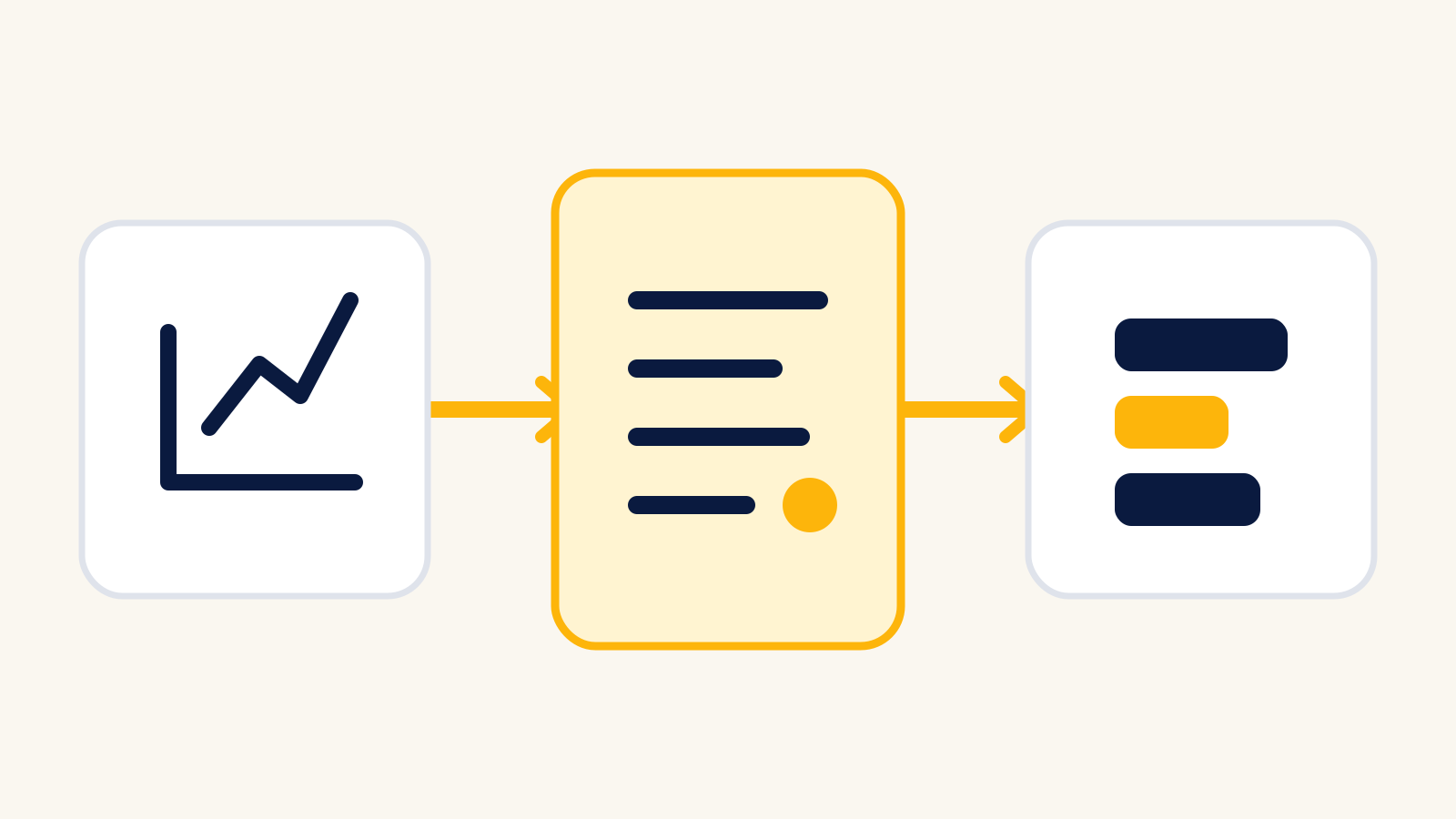
A single number rarely explains a business. Profit, cash flow and the balance sheet describe related activity, but each answers a different question.
Profit explains performance over a period
An income statement asks whether revenue exceeded expenses during a selected period. It includes economic activity that may not have moved cash yet, such as an invoice that has been issued but not collected.
Profit is important, but it is not the bank balance.
Cash flow explains movement
A cash-flow statement asks where cash came from and where it went. Operating, investing and financing activity can move in different directions. A profitable business may still experience pressure when customers pay slowly, inventory grows or debt is repaid.
Cash flow is about timing and liquidity, not a replacement for profit.
The balance sheet explains position
A balance sheet shows assets, liabilities and equity at a point in time. It helps explain what the business owns, what it owes and how its accumulated position is financed.
That is why a balance sheet uses an “as at” date while performance reports cover a period.
Read the three as one story
Useful questions move between the views. Did profit turn into cash? Is cash growth funded by operations or borrowing? Did a purchase reduce cash while creating an asset? Are overdue receivables supporting reported profit but weakening liquidity?
Aiviance implements income statements, cash-flow statements and balance sheets as separate, entity-scoped report types. They remain traceable to the recorded data underneath them. See financial reports in Aiviance.
The better habit is not to choose a favourite report. It is to use each report for the question it was designed to answer.