Industry trend
2026-10-24 · 2 min read · By Aiviance
Open Banking and AI are shortening the business finance cycle
Connected transaction data can reduce reconstruction work and bring cash-flow questions closer to the moment they matter.
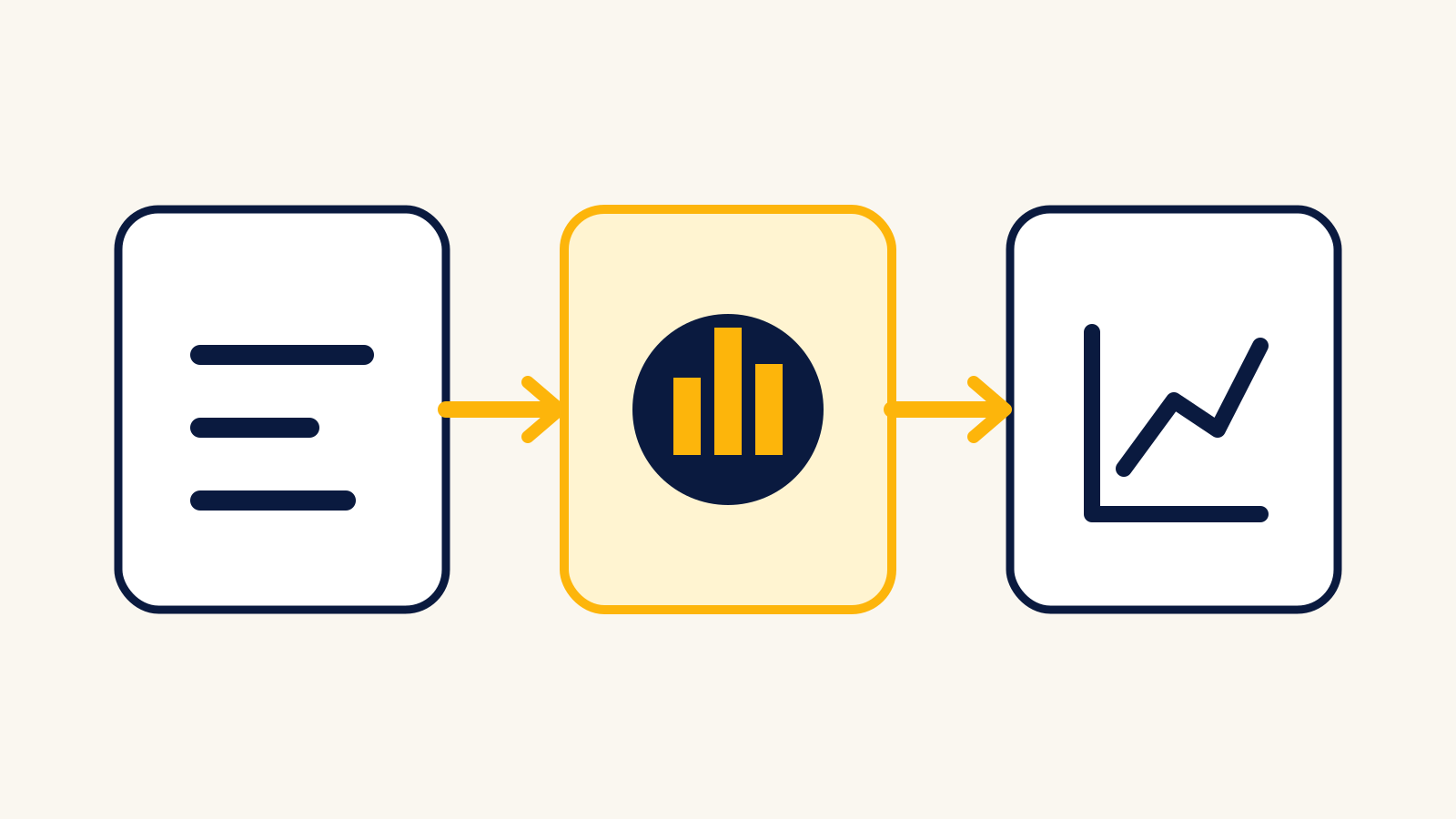
Many small businesses still understand their position through a delayed cycle: collect transactions, reconcile records, prepare reports and then discuss what happened. Connected banking data can shorten that cycle.
Standardised data reduces collection work
The Australian Consumer Data Right is active in banking and gives eligible consumers and businesses a controlled way to share data with participating providers. Standardised, machine-readable data can replace some of the repeated downloading and re-keying that sits between a bank account and useful financial work.
It does not remove the need for accounting judgment. A bank transaction alone may not explain tax treatment, business purpose, the correct entity or whether the record should be matched to an invoice.
AI can prepare the review queue
AI is well suited to the preparation layer: suggesting categories, identifying an unusual movement, proposing a match and explaining why cash changed. Those suggestions become useful when they preserve the source transaction and enter a reviewable workflow.
Aiviance separates read-only reporting from confirmation-backed changes. Its implemented reporting surfaces distinguish income statements, balance sheets and cash-flow statements because they answer different questions. Product documentation explains that boundary.
Faster does not mean automatic authority
The opportunity is not autonomous bookkeeping with no accountable person. It is a shorter path from new data to a reviewed record, and from reviewed records to a useful question about runway, collections, spending or financing.
Businesses gain most when the system preserves entity scope, provider consent and an audit trail. Accountants and advisers can then spend less time reconstructing the past and more time reviewing exceptions and discussing decisions.
Open Banking improves the movement of data. AI improves the preparation of work. Governance determines whether the result can be trusted.