Industry trend
2026-10-24 · 2 min read · By Aiviance
A shared advisor view should not blur client ownership
Better collaboration comes from connected context, explicit consent and narrow authority—not a single unrestricted pool of client data.
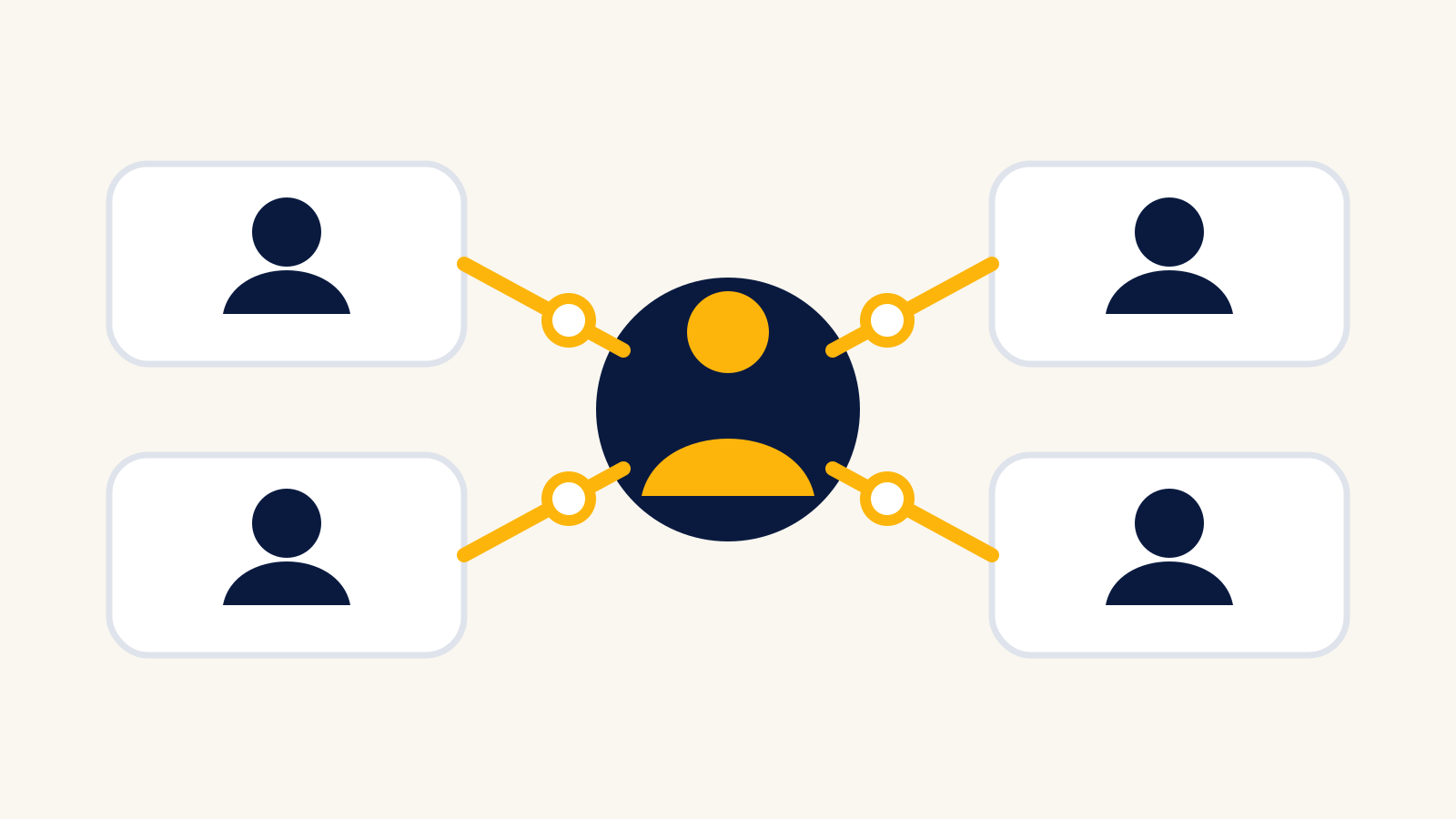
Advisors benefit from a connected view across their practice. Clients benefit when they do not have to resend the same context for every task. Neither benefit requires client records to become one unrestricted data pool.
A relationship is not unlimited access
Knowing who a client is does not answer what an advisor may see or do. Access should also depend on active consent, the approved entity and the capability needed for the task.
That distinction matters when one client controls multiple entities or when a professional works with only part of a family's financial structure.
Shared context should remain attributable
A good advisor workspace can bring documents, prepared work, deadlines and review queues together while preserving the route back to the client and entity that own each record.
The same principle applies to AI assistance. Cross-client prioritisation can help an advisor decide where attention is needed, but reading or acting on client data still requires the appropriate scope.
Acting for a client needs a stronger boundary
Viewing information and acting on behalf of a client are different levels of authority. An acting session should be time-limited, revocable and supported by the relevant engagement and permissions. Sensitive activity should remain auditable.
Aiviance's implemented advisor controls check the advisor-client relationship, consent and authorised entity scope, with additional conditions for acting on behalf of a client. The public boundary is described in Work with an accountant or advisor.
The industry direction
Professional software is moving from file exchange toward shared workflows. The opportunity is substantial, but the design test is simple: collaboration should become easier without making ownership, consent or responsibility harder to see.